TapirFlow
Petroleum Engineering Simulations Made Simple. Get fast answers and simplify!
Black-Oil Correlations, Field-Tested
Designed for petroleum engineers, students, and educators, TapirFlow enables the analysis of both theoretical and real-world production systems through steady-state multiphase flow calculations. It uses black-oil correlations — including Beggs & Brill (vertical and horizontal), Standing for fluid properties, Ramey for temperature, and Reynolds/Swamee for friction factors — plus choke models (Gilbert, Ros, TUFFP).
Already tested against real production problems, it delivers practical, reasonable results. TapirFlow complements, not replaces, industry-standard tools.
Results in seconds
No long wait times, just fast answers.
Black-oil correlations
Beggs & Brill, Standing, Ramey, and more built in.
Nodal analysis ready
Find operating points and optimize production.
Field-tested results
Validated against real production problems.
Built for Engineers, Students & Teachers
TapirFlow is built for engineers, students, and teachers who deal with production analysis, design, and troubleshooting — wherever steady-state flow calculations can help.
Pressure drop
Calculate across well + choke + flowline
Nodal analysis
Find operating points via nodal analysis
Artificial lift
Apply gas lift and ESP optimization
IPR & sensitivity
Calibrate Linear/Vogel IPR, run sensitivity analysis
Why a Tapir?
The tapir is a quiet, ancient animal found throughout the Amazon rainforest — where the creator has worked for many years, seeing tapirs regularly in the field. It symbolizes adaptability, resilience, and a deep connection to the environment where the tool was born.
See TapirFlow in Action
Here's what you'll be able to explore.
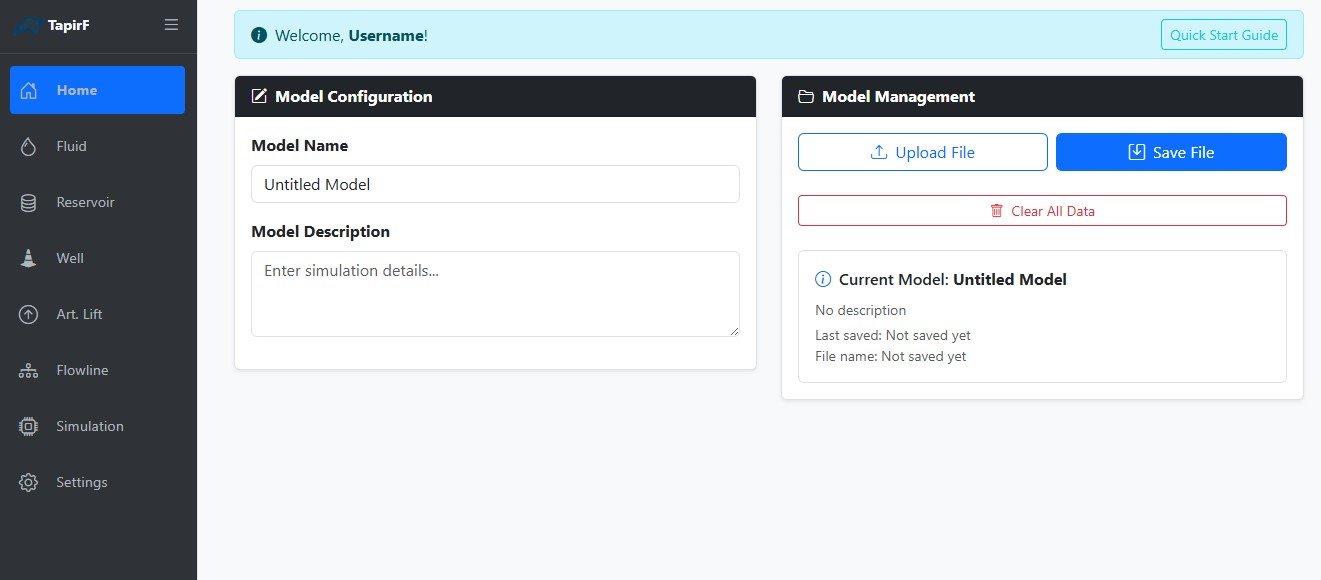
Web-Based Interface
A lightweight and responsive UI that requires no installation—just open your browser and start simulating.
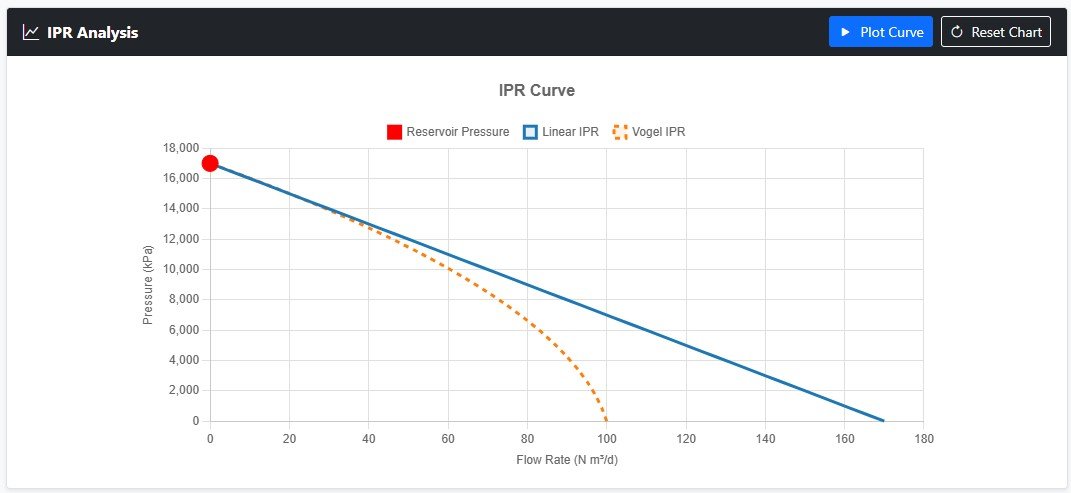
IPR Curves
Linear & Vogel IPR curves for reservoir inflow performance
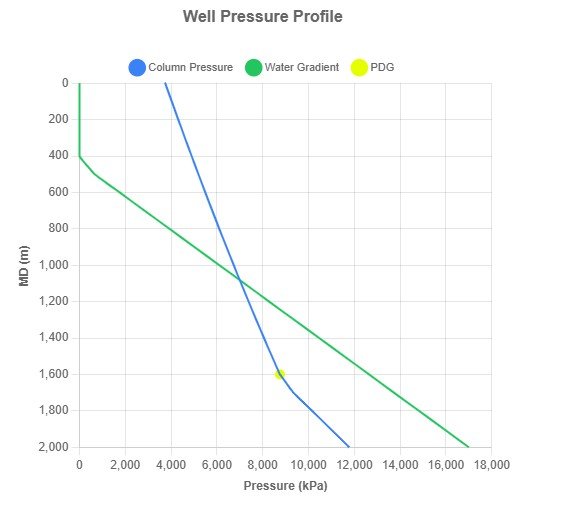
Pressure Profile
Pressure profile with static water gradient across the system
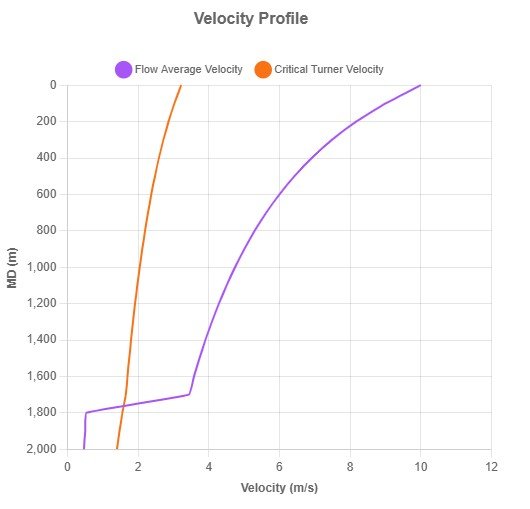
Velocity Profile
Velocity profile with critical Turner velocity for liquid loading
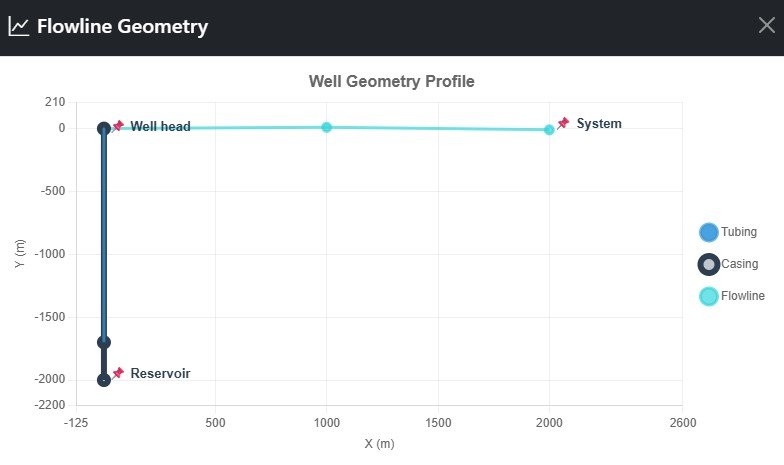
Well + Flowline Geometry
Complete system from reservoir to surface including flowline
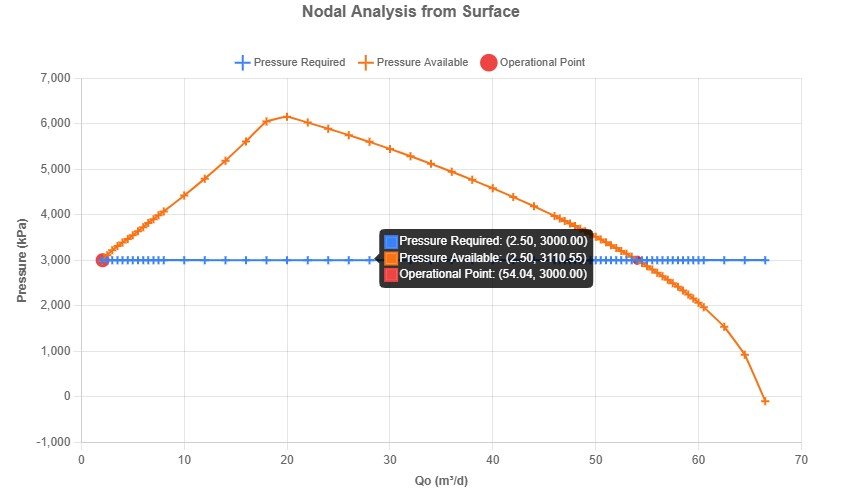
Nodal Analysis
Nodal Analysis graph showing inflow vs outflow curves
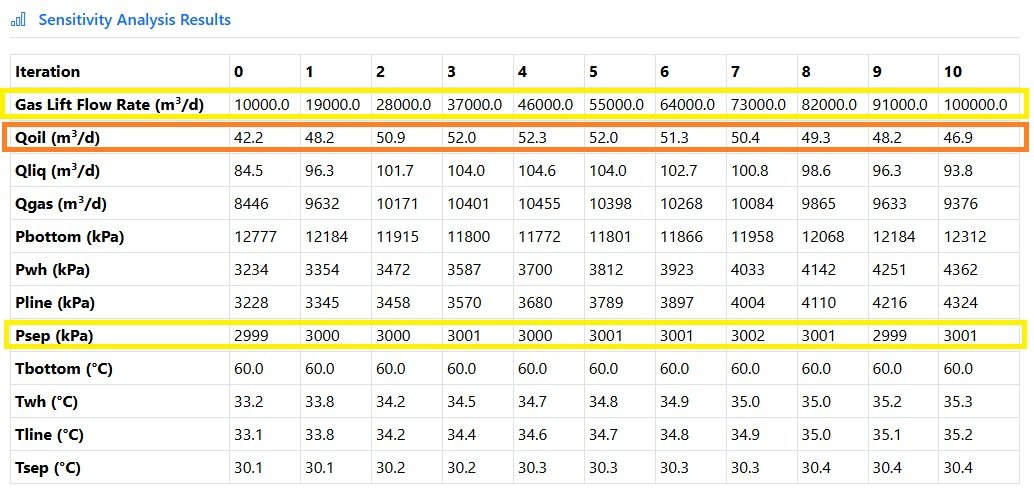
Sensitivity Table
Sensitivity table with 5 operational points for comparison
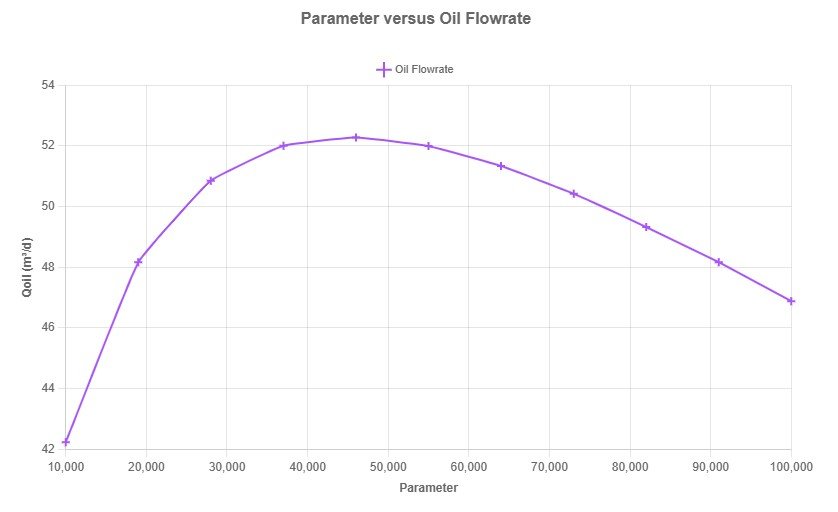
Qoil vs Qgaslift
Oil rate vs gas lift injection rate optimization plot
Free During Beta
Get 10 free credits every month. We limit monthly credits to ensure system stability and fair access for everyone. This policy is active throughout the beta phase.
Usage-Based Pricing
Each simulation deducts a small fee proportional to the computational effort required.
10 Free Credits
Valid for one month. Automatically renewed monthly.
Beta Timeline
Beta period: Now through April 2027 (subject to extension).
Free during beta — your 10 credits will be renewed each month.
Contact Us
Have questions or feedback? We'd love to hear from you.